



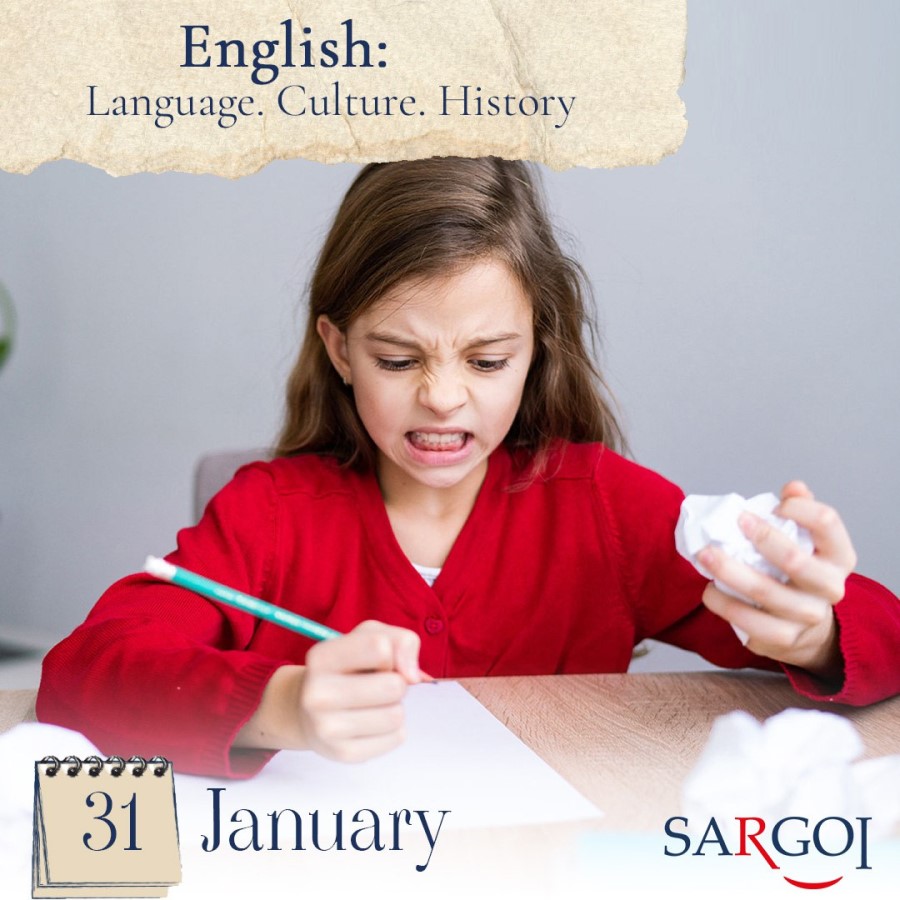
Learning from Mistakes Day
January: The Power of Ideas One of the most interesting moments in the history of 'opposite days' was George Costanza’s method of 'doing the opposite.' George, realizing that his life was going nowhere, decided to do everything the opposite way. The final result was that usually shy George...
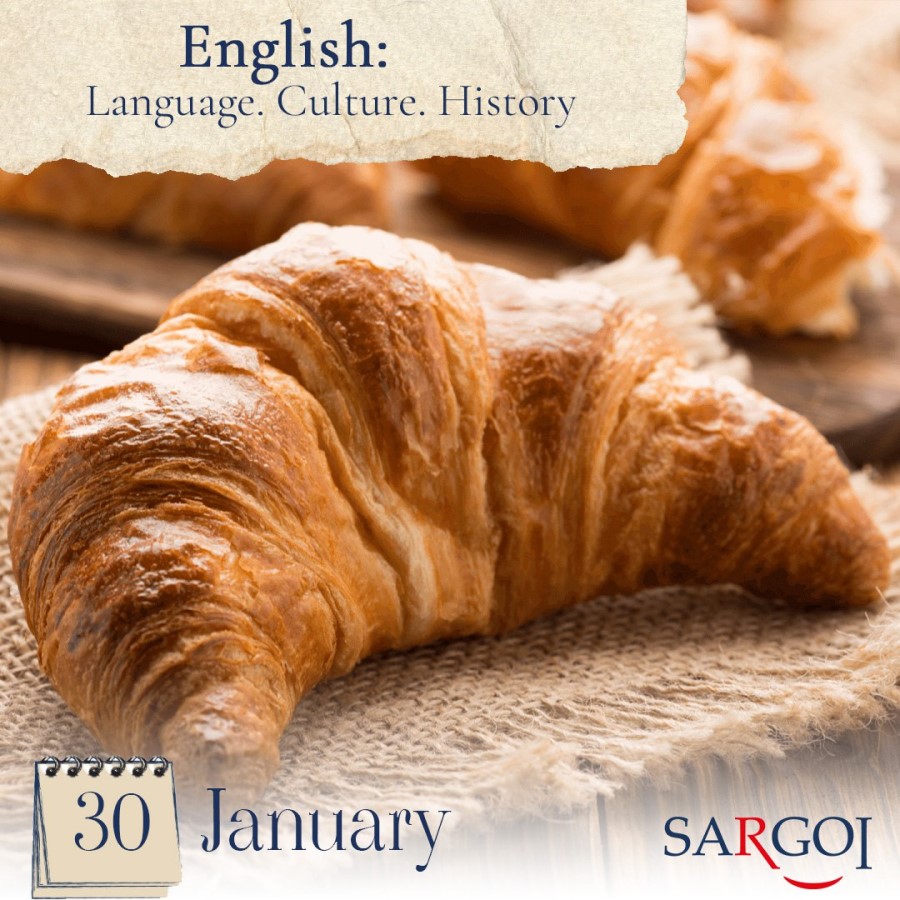
Croissant Day
January: The Power of Ideas Originating in Austria as the “kipferl” in the 17th century, croissants became popular in France in the 19th century, where they took the crescent shape we know today. Nowadays, croissants are a symbol of French café culture, enjoyed at breakfast with coffee and...
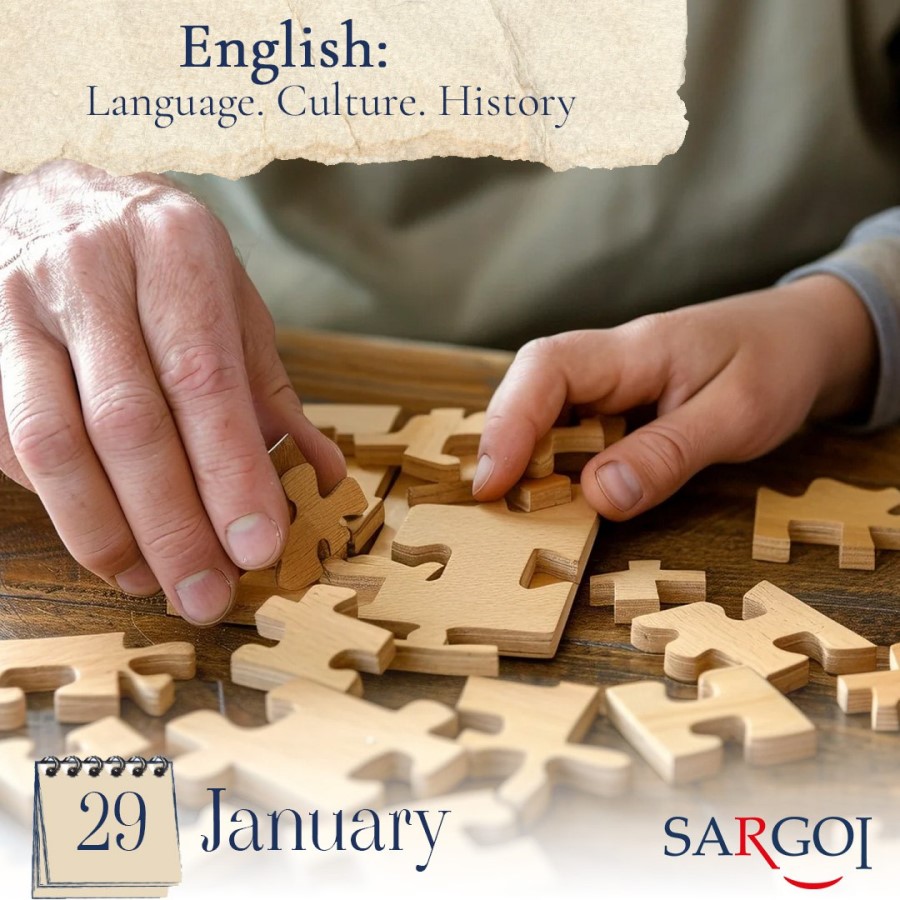
Puzzle Day
January: The Power of Ideas Puzzles are games that challenge the mind and help develop problem-solving and logical thinking skills. The first jigsaw puzzle was invented in the 1760s by John Spilsbury, a British mapmaker, who cut maps into pieces to help children learn geography. Since then,...

Privacy & Digital Culture Day
January: The Power of Ideas Privacy in digital culture is about protecting personal information in a world where people share their lives online every day. Social media, apps, and technology make communication easier, but they also raise questions about how data is collected and used....
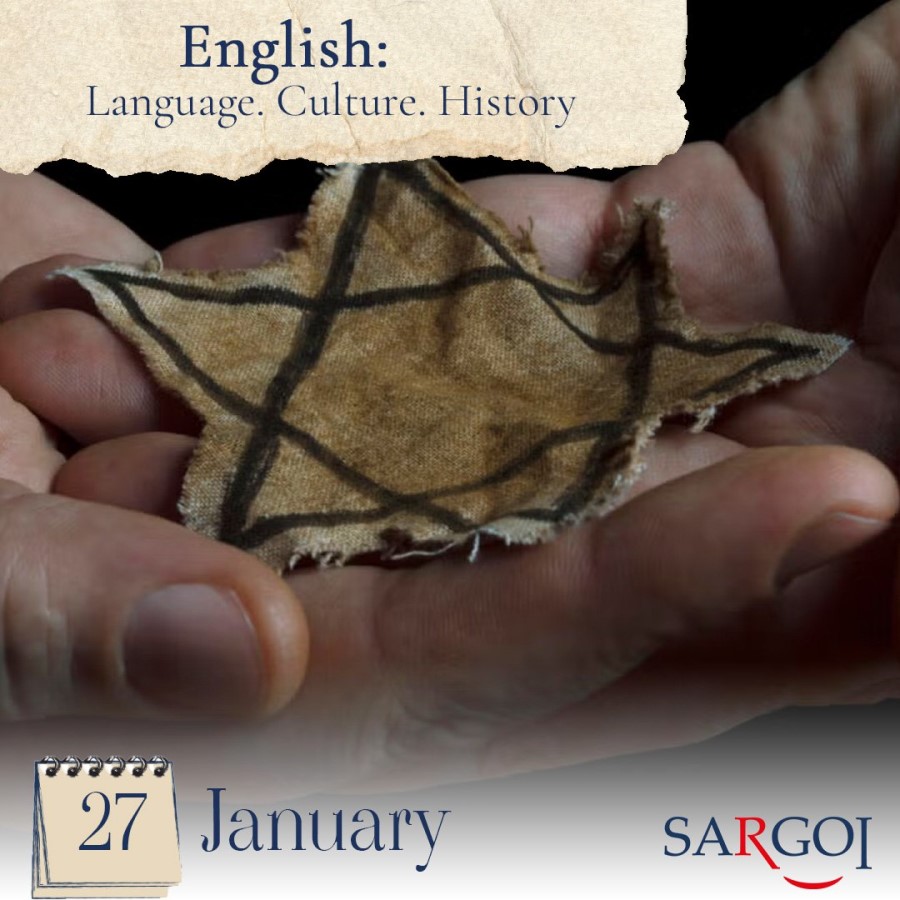
International Holocaust Remembrance Day
January: The Power of Ideas The Holocaust was a tragic period in history during World War II when the Nazi government in Germany killed 6 million Jewish people and many other groups. This event changed the global culture and international law forever, leading to the creation of the Universal...
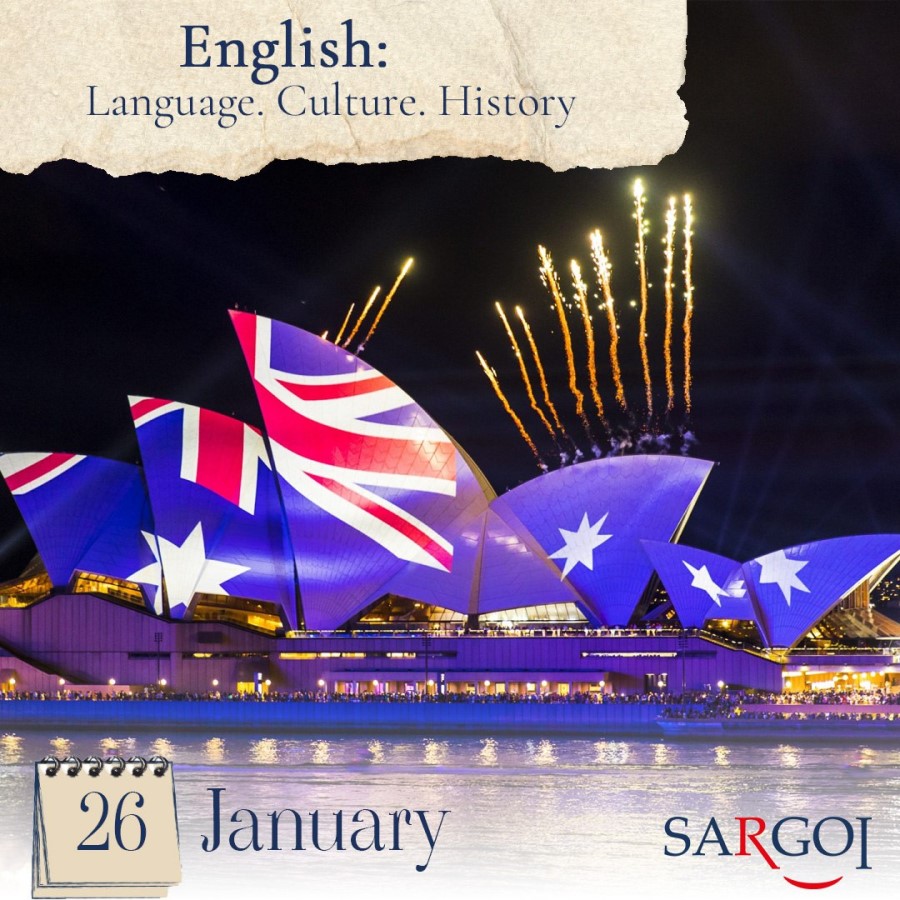
Australia Day
January: The Power of Ideas Australia is a big country in the south of the world. The first people, called Aboriginal Australians, have lived there for more than 60,000 years. The British came in 1788 and built towns. Today, Australia is famous for kangaroos, koalas, the Sydney Opera House, and...
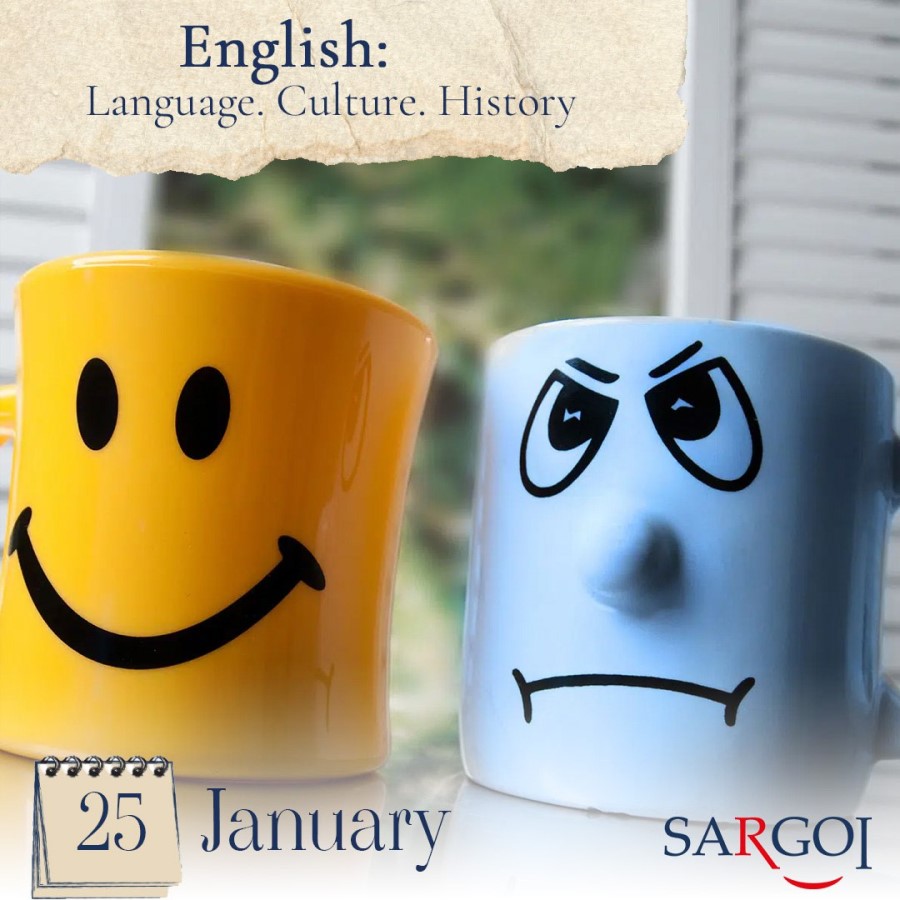
Opposite Day
January: The Power of Ideas One of the most interesting moments in the history of 'opposite days' was George Costanza’s method of 'doing the opposite.' George, realizing that his life was going nowhere, decided to do everything the opposite way. The final result was that usually shy George...

Edith Wharton & Social Stories Day
January: The Power of Ideas Who Was Edith Wharton? Uncovering Social Stories and Literary English Born into the wealthy "Jones" family of New York, Edith Wharton (1862–1937) spent her youth traveling through Europe and living in a world of strict social rules and high-class traditions. During...

Handwriting Day
January: The Power of Ideas In many countries, handwriting is a type of art. For example, calligraphy is the art of beautiful writing in Chinese, Arabic, and Western traditions. Our handwriting is special because it shows our personality. It is a part of who we are and where we come from. The...
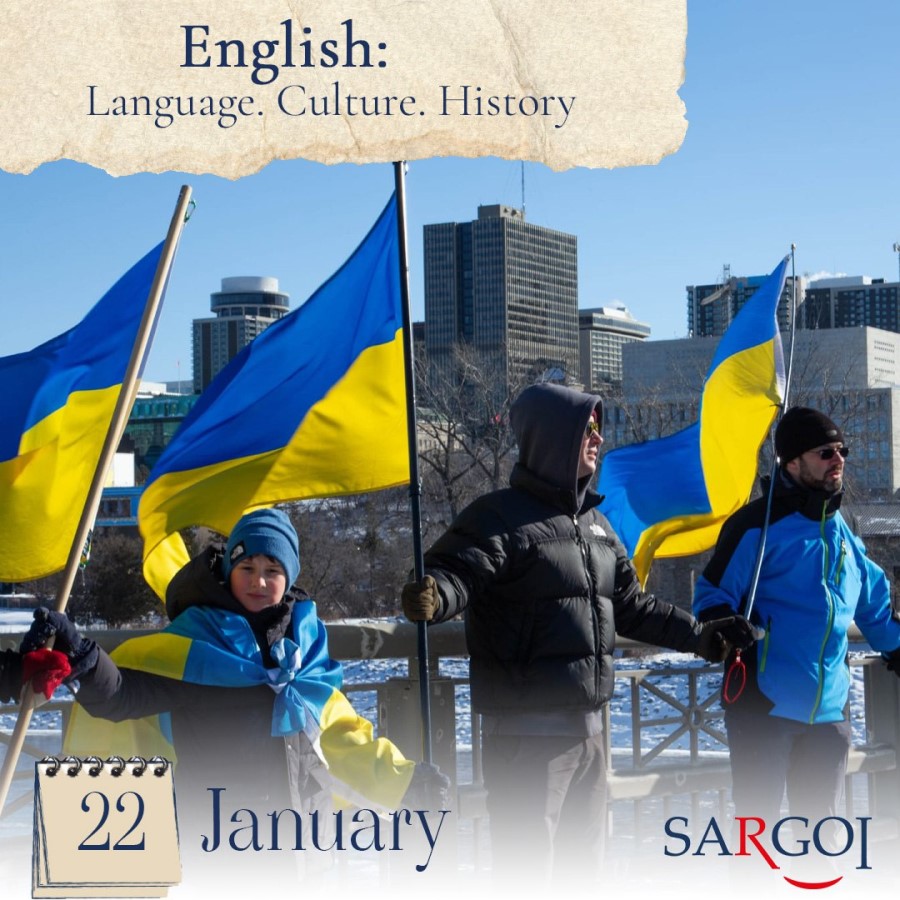
Day of Unity of Ukraine
January: The Power of Ideas Celebrating the Day of Unity represents the historical fulfillment of a centuries-long dream: a single, undivided Ukraine. The Act Zluky in 1919 was a brave political statement that, despite different imperial pasts, Ukrainians in the East and West were one people...
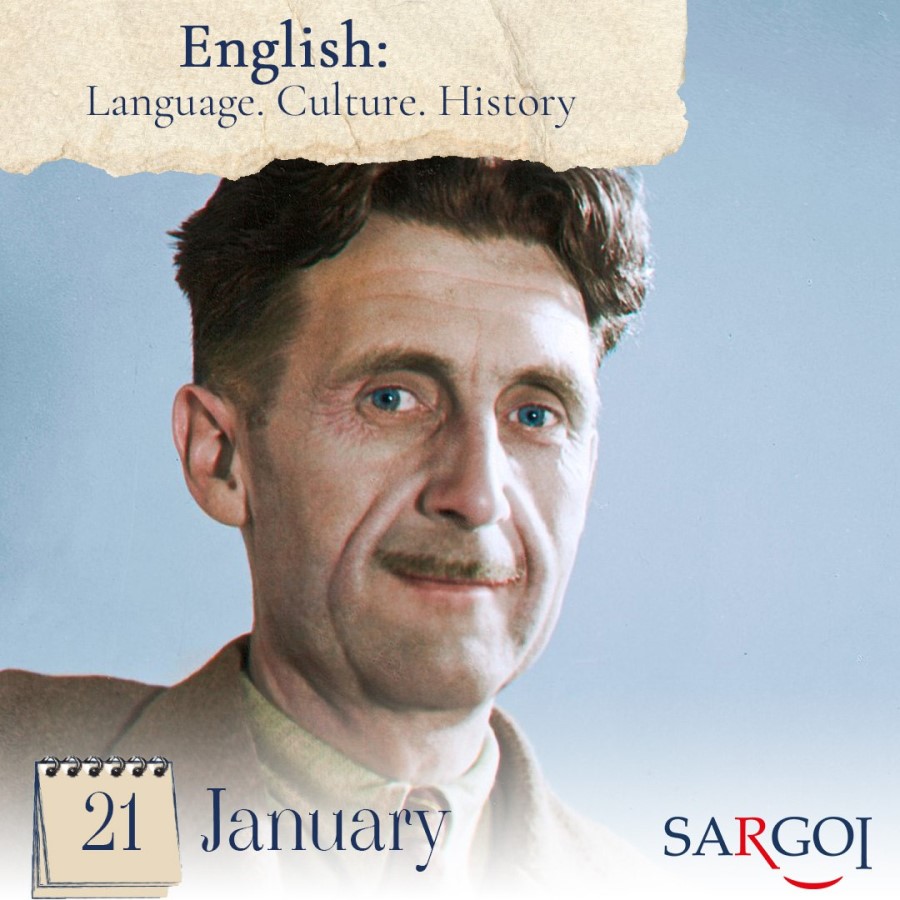
George Orwellʼs Legacy Day
January: The Power of Ideas George Orwell (25 June 1903 – 21 January 1950) was a famous British writer who lived during a difficult time in history when powerful dictators controlled many countries. Because he fought in the Spanish Civil War and experienced being poor, he wrote books like...
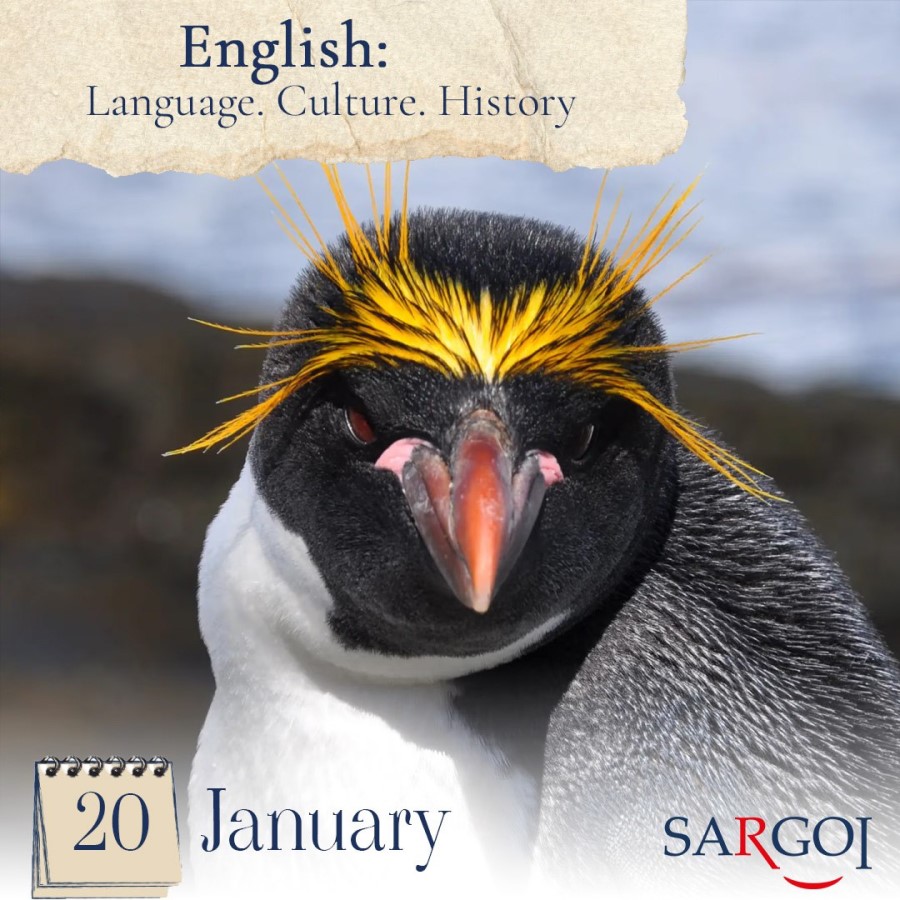
Penguin Day
January: The Power of Ideas Penguins are some of the coolest birds in the world! Many people love them because they look like they are wearing a fancy black and white suit. In movies like Madagascar or Happy Feet, penguins are often funny, smart, and great at working together. The word of the...